 Reef
What to know before acting on daily routine ideas
Most lists of daily routine ideas offer a long menu: wake early, journal, stretch, read, plan, reflect. The trouble is rarely the ideas. It is the assumption that adopting several at once will hold up on an ordinary, tired Tuesday. Before acting on any list, it helps to treat each idea as a small experiment rather than a new identity.
The useful question is not which routine is best, but which action you can repeat with little friction, notice when you have done it, and resume without drama after a gap. Those three conditions matter more than the specific habit. They also set honest limits: a routine can make an action easier to repeat, but it cannot guarantee a particular behaviour, mood or health outcome. Anyone hoping a routine will solve sleep, pain or mental health concerns should talk to a qualified professional rather than rely on a habit plan.
Start smaller than feels useful
A routine that survives is usually one that looks almost too modest at first. Two minutes of stretching, one page of reading, or writing a single line about the day are easier to repeat than a full hour of anything. The aim at the start is repetition, not intensity; you can lengthen a habit once it no longer requires negotiation.
Anchoring helps. Attach the new action to something you already do reliably, such as making coffee or closing your laptop. This removes the need to remember a time and replaces it with a cue that already exists in your day.
Limit yourself to one to three habits at the beginning. Each addition competes for attention, and a crowded routine tends to collapse all at once when a single day goes wrong.
Make progress visible without turning it into a scoreboard
People often abandon routines not because they stopped doing them, but because they stopped noticing that they were doing them. A visible record, whether ticks on paper or an app, turns invisible effort into something you can see accumulate. That visibility is a reminder and a modest source of satisfaction.
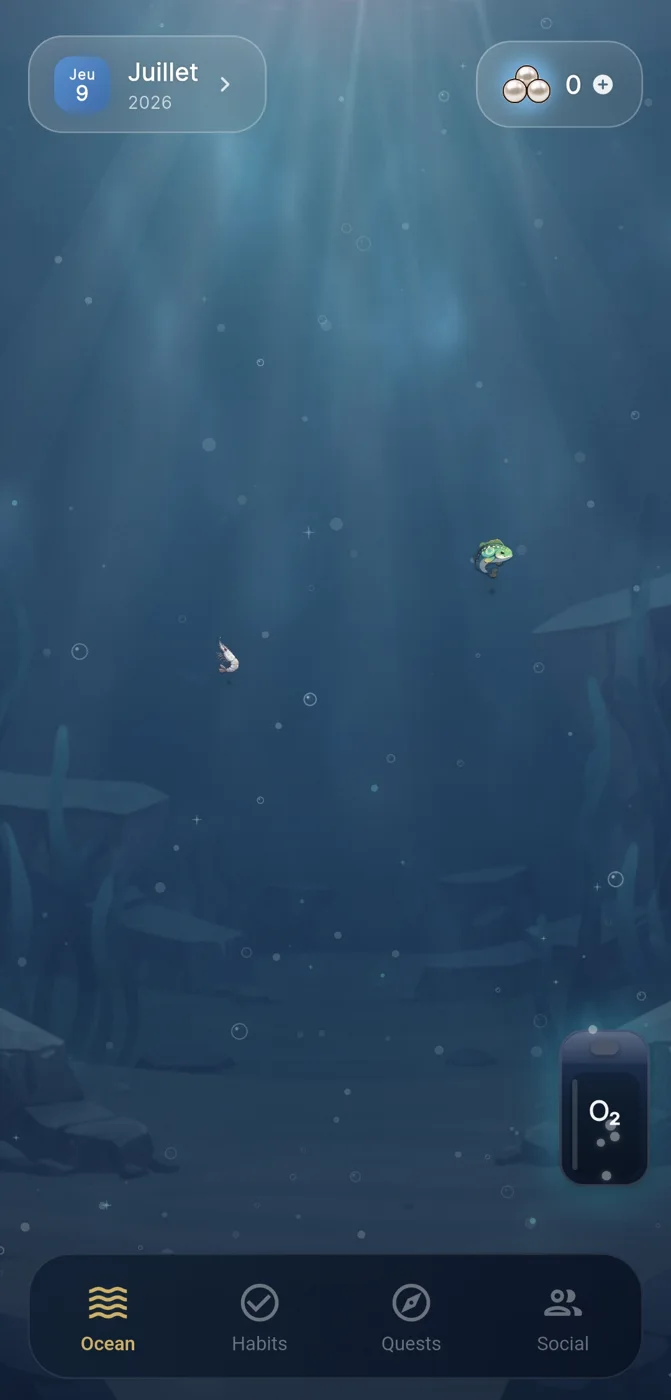
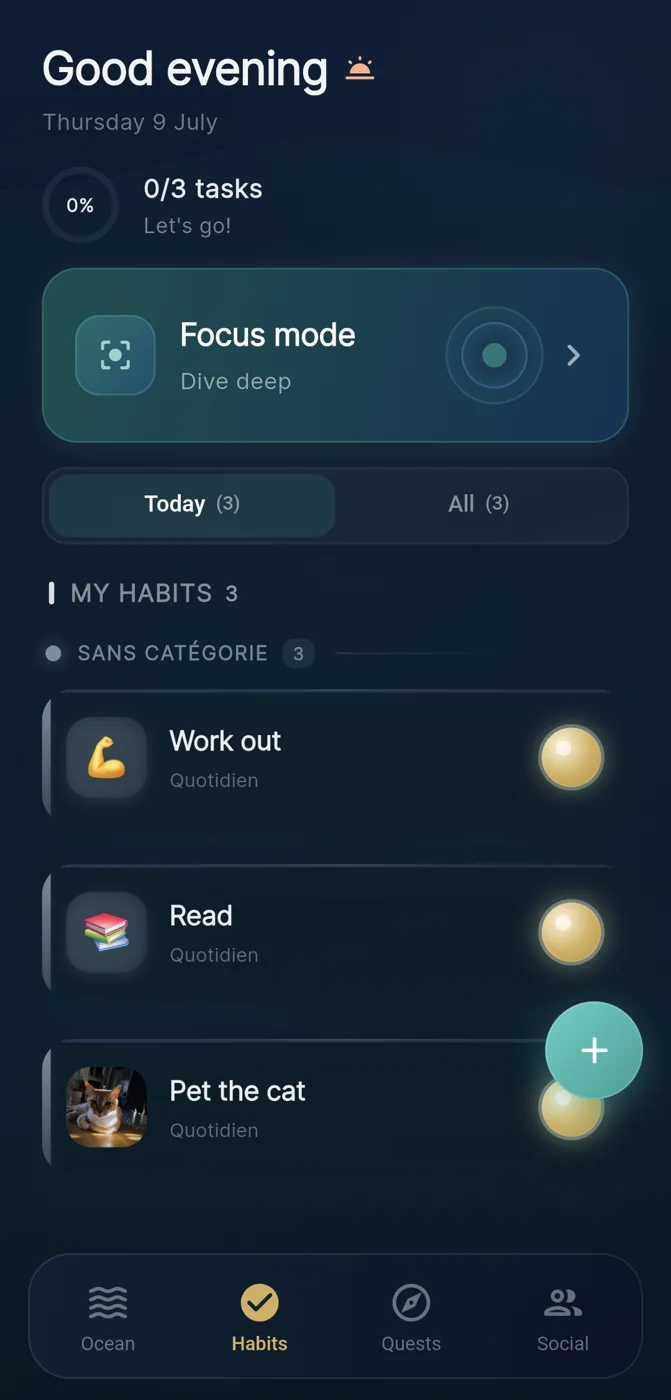
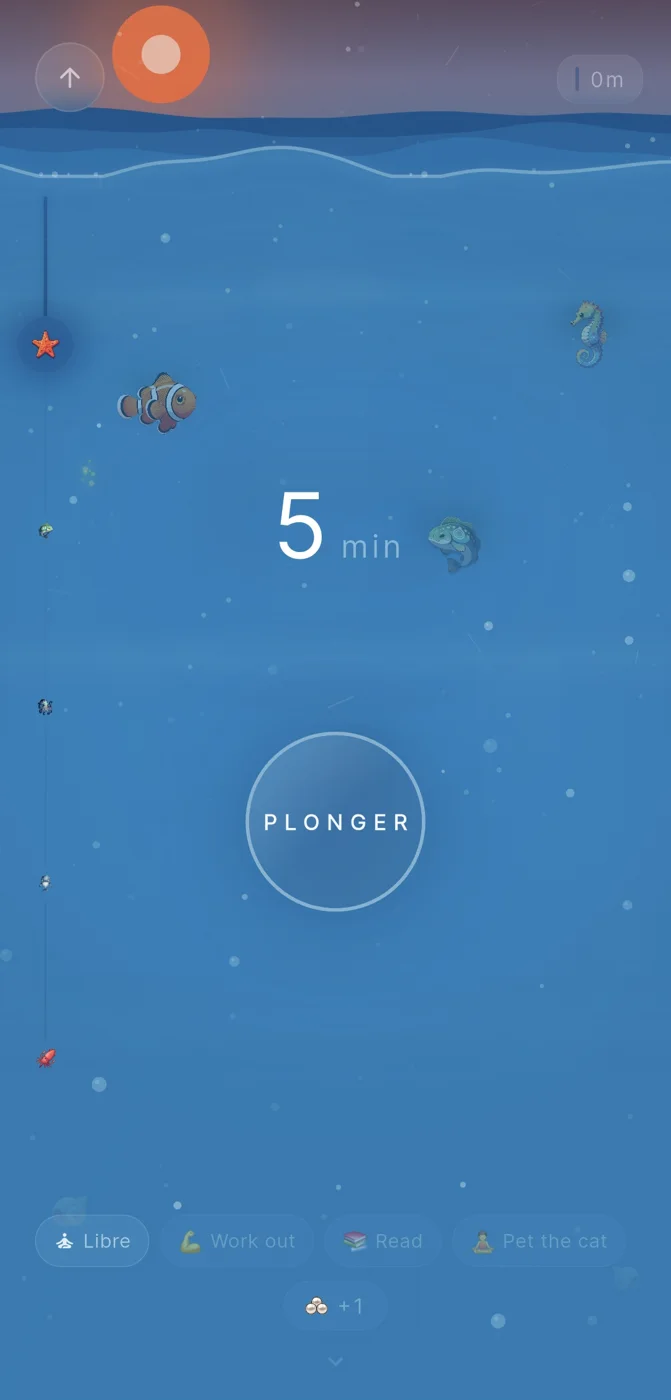
The risk is that the record becomes the point. If you start doing a habit badly just to keep a chain intact, or feel defeated by a single gap, the tracking is working against you. Prefer formats that show growth over time rather than punishing a blank square. Reef, a habit tracker from IVRYN for iOS and Android, takes this visual route: each finished habit adds a pearl to an ocean that gradually fills, and its published design methodology frames these mechanics as making repetition visible rather than promising change.
Whatever tool you use, check whether it makes you want to return or makes you want to avoid looking. That reaction is a better guide than any feature list.
Plan for the missed day before it happens
Missed days are not a sign the routine failed; they are a normal part of any routine that lasts more than a few weeks. Illness, travel and bad nights will interrupt you. The routines that endure are those with a recovery plan decided in advance, when you are calm, rather than improvised in a moment of guilt.
A simple rule works well: never miss twice in a row if you can help it, and when you return, restart at the smallest version of the habit. Some tools build this kind of slack in. In Reef, for example, a streak freeze can cover a single off day, and a small shrimp companion responds to gaps without scolding, which reflects the same principle of resuming gently.
Gentle recovery is not the same as having no standards. It means separating the habit from your sense of worth, so that one missed morning does not quietly end the whole experiment.
Sharing a routine: when accountability helps
Telling someone about a routine can help, especially for actions you are tempted to skip quietly. A friend checking in, or a small group doing similar habits, adds a light external reason to show up. For some people this is the missing ingredient.
For others, sharing adds pressure that makes the habit feel like a performance. If visibility to others makes you anxious or competitive in an unhelpful way, keep the routine private. Accountability works best as a choice you can turn on and off, not a requirement, which is why it is worth choosing tools where social features stay optional.
Example: a decision aid for your first routine
Example (hypothetical): someone wants a calmer start to the day and lists six ideas: early waking, meditation, journaling, a walk, reading and planning. Using the checklist below, they drop early waking because it depends on sleep they cannot control yet, and keep three: one minute of breathing after making coffee, one line in a journal, and a ten-minute walk on weekdays only.
They track all three visibly, decide in advance that a missed day means restarting at the smallest version, and keep the routine private for the first month before deciding whether to invite a friend. After four weeks they review which habit felt easy and which still felt like effort, then adjust only one thing.
Use these questions on any list of daily routine ideas before committing:
- Can I do the smallest version in under five minutes on a bad day?
- Is there an existing daily cue I can attach it to?
- How will I see that I did it, and does that record encourage me?
- What exactly will I do the day after a miss?
- Do I want someone else to know, or would that add pressure?
- When will I review the routine, and what single change am I allowed to make?
Frequently asked questions
How many daily routine habits should a beginner start with?
One to three is a practical starting point. Each extra habit competes for attention, and a crowded routine is more likely to collapse entirely after a single difficult day. Add more only once the first habits feel automatic.
What should I do after missing a day in my routine?
Treat it as normal rather than as failure. Return the next day with the smallest version of the habit, and try to avoid missing twice in a row. Deciding this recovery rule in advance makes it easier to follow without guilt.
Can a habit tracker app guarantee that a daily routine will stick?
No. A tracker can make repeated actions visible and easier to resume, but no app can guarantee a behaviour or health outcome. Its value depends on whether seeing your progress makes you want to continue. For health concerns, consult a qualified professional.
Sources and further reading
These resources provide the wider reference frame. Product statements on this page are limited to the public information provided by Reef.