 Reef

What a Winter Arc with friends asks of a group
The Winter Arc is a social media trend. People use the last months of the year as a focused season for building habits instead of waiting for a January resolution. Fortune Well described it as a wellness challenge that spread through TikTok. Baylor Scott & White describes it as a trend built around a roughly 90-day challenge, then suggests separate wellness trends, such as better sleep and gut health, to consider for your Winter Arc. A Winter Arc with friends adds a second task. You still choose habits, and you also decide how a small group will notice, support and talk about each other's progress for several weeks.
That second task is where most group challenges drift. Shared goals can make effort feel less lonely, but the visibility that motivates one friend can quietly pressure another. A group that compares totals tends to reward whoever had the easiest month. The person who falls behind often goes silent rather than asking for help. The practical goal is a setup where everyone can see that effort is happening and nobody is ranked.
Pick habits small enough to survive a bad week
Let each person choose their own habits. A shared theme can give the group something to talk about, such as moving more, reading, or protecting time for focused work. Identical targets, however, assume identical schedules, energy and starting points, and friends rarely have those.
A useful test is to write each habit at the size you could still complete on a tired, busy day. Ten minutes of reading passes. Finishing a book every week usually does not. Small habits are easier to repeat, and repetition is what makes a Winter Arc visible over weeks. You can always do more on a good day without changing the commitment.
- One to three habits per person, not a full lifestyle overhaul
- Each habit has a minimum version that takes minutes, not hours
- Habits stay personal; the group shares a rhythm, not a target
- If a goal touches your health or fitness and you have doubts, check it with a qualified professional rather than letting the group decide
Winter Arc accountability without a leaderboard
Accountability works best when it is about showing up, not scoring. Agree to share whether a habit happened, not how much. A simple 'done' or 'not today' keeps the conversation on consistency. Numbers such as minutes, kilometres or pages invite comparison even when nobody intends it.
Pick one check-in rhythm and keep it light. A daily message in a group chat suits some friends. Others prefer a weekly round where each person shares one thing that helped and one thing that got in the way. The weekly format often leads to better conversation because it asks about obstacles rather than results.
Replace ranking with questions. Instead of noticing who is ahead, ask what made the week easier or harder. That keeps attention on what each person can adjust, which is the part of a habit that friends can actually help with.
- Share: done or not today, one obstacle, one small win
- Avoid: totals, percentages, or streak counts used as a scoreboard
Decide how the group handles missed days before they happen
Missed days are certain over a season that includes holidays, travel, illness and short daylight. Without an agreed response, the default is often guilt, then silence. In the first week, agree that a missed day means only one thing: you resume the next day.
A simple rule helps. Try not to miss twice in a row, and when you do miss, restart with the minimum version of the habit rather than making up for lost days. Friends can answer a missed day with one standard reply, such as 'see you tomorrow', instead of encouragement that sounds like pressure. Also agree that anyone can pause or leave without explaining, so stepping back never feels like letting the group down.
Example: a four-friend Winter Arc plan (hypothetical)
The following is a hypothetical example showing how the pieces fit together. It does not describe real users or results. Four friends start a Winter Arc in mid-October and plan to run it until the new year.
- Amira: 10 minutes of stretching after work; minimum version is two minutes
- Ben: 25 minutes of focused study three evenings a week; minimum is one 10-minute session
- Chloé: read 10 pages before bed; minimum is one page
- Dan: a short walk at lunch; minimum is five minutes outside
- Shared rhythm: post 'done' or 'not today' each evening, plus a Sunday round of one win and one obstacle
- Missed-day rule: reply 'see you tomorrow', restart at the minimum, no catch-up sessions
Where Reef fits, and where it doesn't
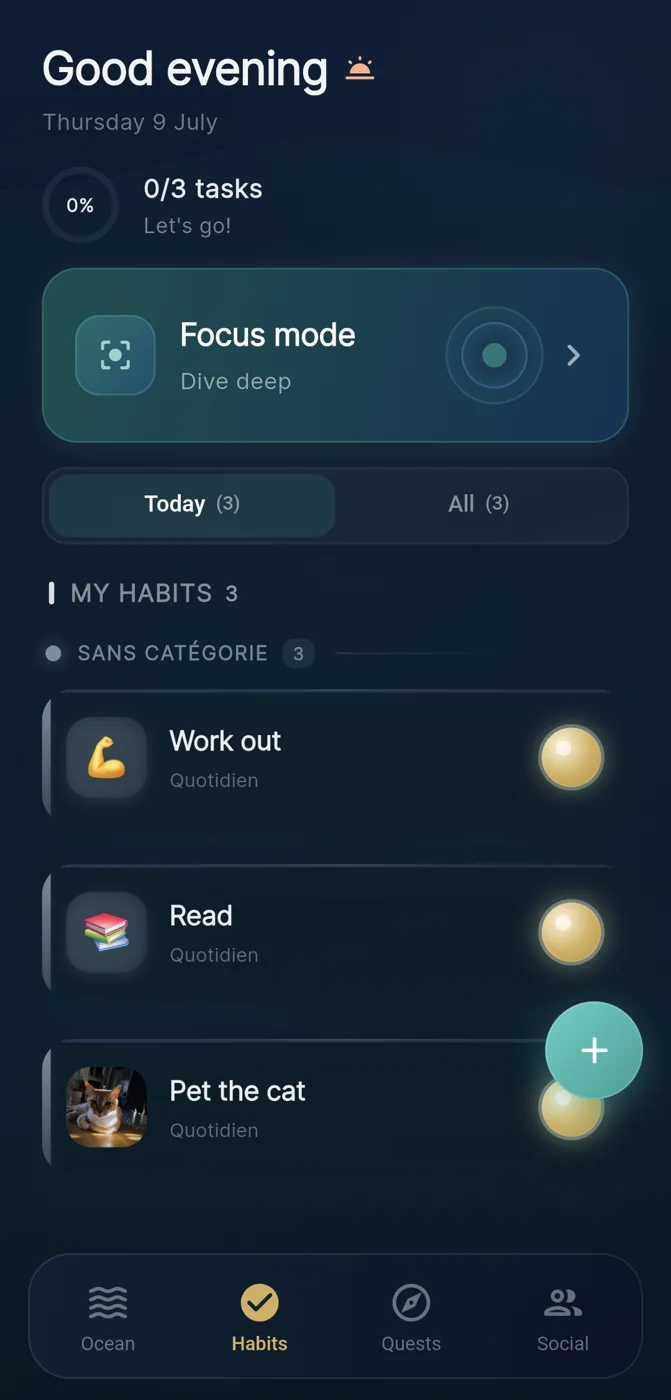
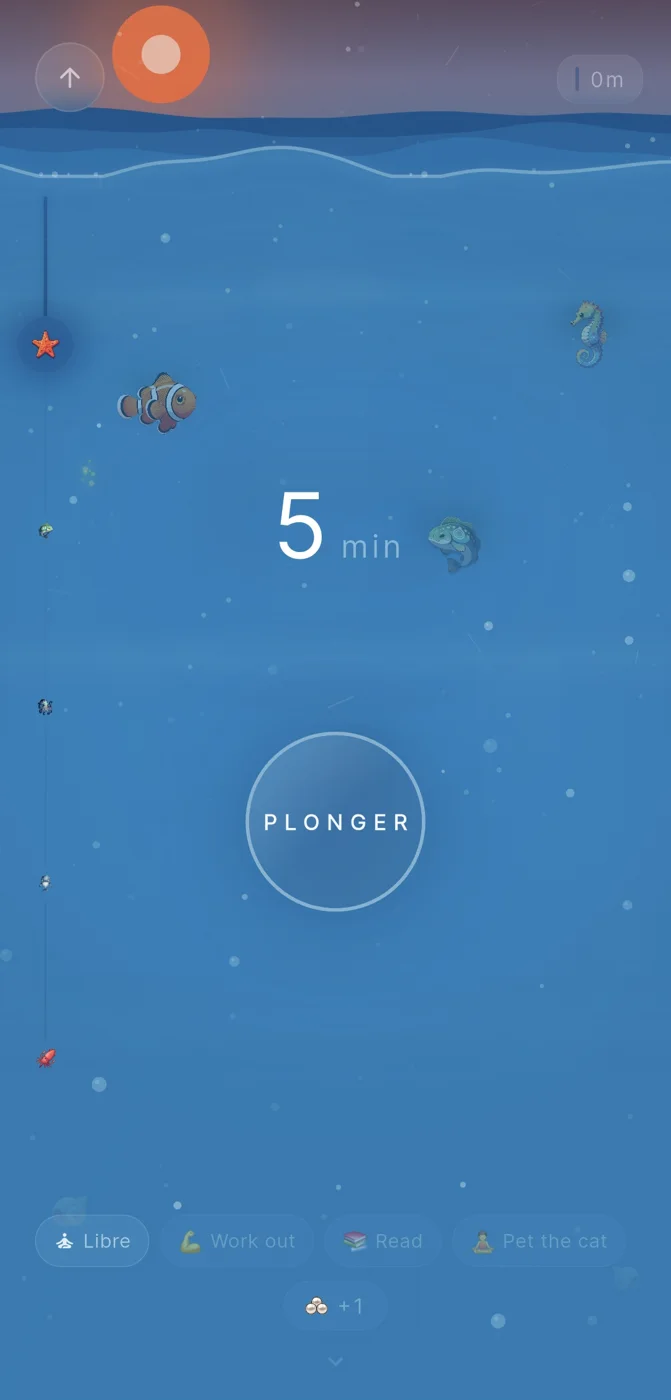
Reef is a habit tracker from IVRYN for iOS and Android, and what we say here is limited to its public product details. Each habit you finish adds a pearl toward a visual, living ocean, joining a crew with friends is optional, and a streak freeze can cover an off day so one missed evening does not wipe out visible progress.
None of that replaces the agreements above, and Reef does not promise that any group will change its behaviour or health. A shared note or a paper chart on the fridge can carry the same structure. The tool matters less than small habits, visible effort and a calm response to missed days.
Frequently asked questions
What is a Winter Arc challenge with friends?
A Winter Arc is a social media trend where people use the last months of the year to build habits instead of waiting for January. Doing it with friends means each person keeps their own small habits while the group shares a regular check-in. That way, effort is visible and supported without turning into a contest.
How do you keep a group Winter Arc from becoming competitive?
Share whether a habit happened rather than how much, and avoid totals or rankings. Use check-ins to talk about obstacles, let each person set personal habits, and agree in advance that a missed day simply means resuming the next day.
Do you need an app to do a Winter Arc with friends?
No. A group chat or a shared chart can work well. A habit tracker with optional group features, such as Reef, can make repeated actions easier to see, but no app guarantees that anyone's habits or health will change.
Sources and further reading
These resources provide the wider reference frame. Product statements on this page are limited to the public information provided by Reef.