 Reef
Reef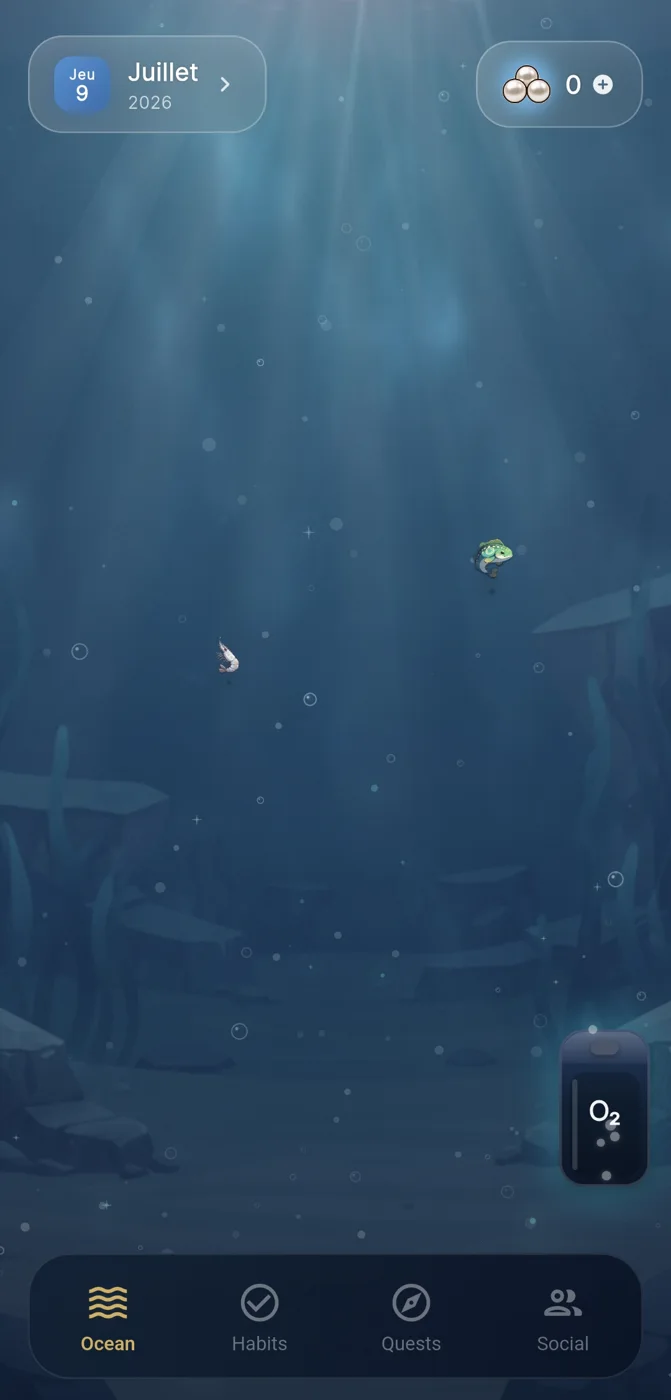
What to look for in a habit tracker with virtual world
A habit tracker with virtual world mechanics should make repeated actions easier to notice without making the world itself the point. The useful question is whether the visual layer helps you return to a small action you chose, especially on ordinary days when motivation is limited.
Look for a clear connection between an action and its visual result. If you complete a habit, can you see what changed, and does that change feel understandable rather than distracting? A good visual system turns progress into a simple cue: you acted, the world responded, and you can decide what to do next.
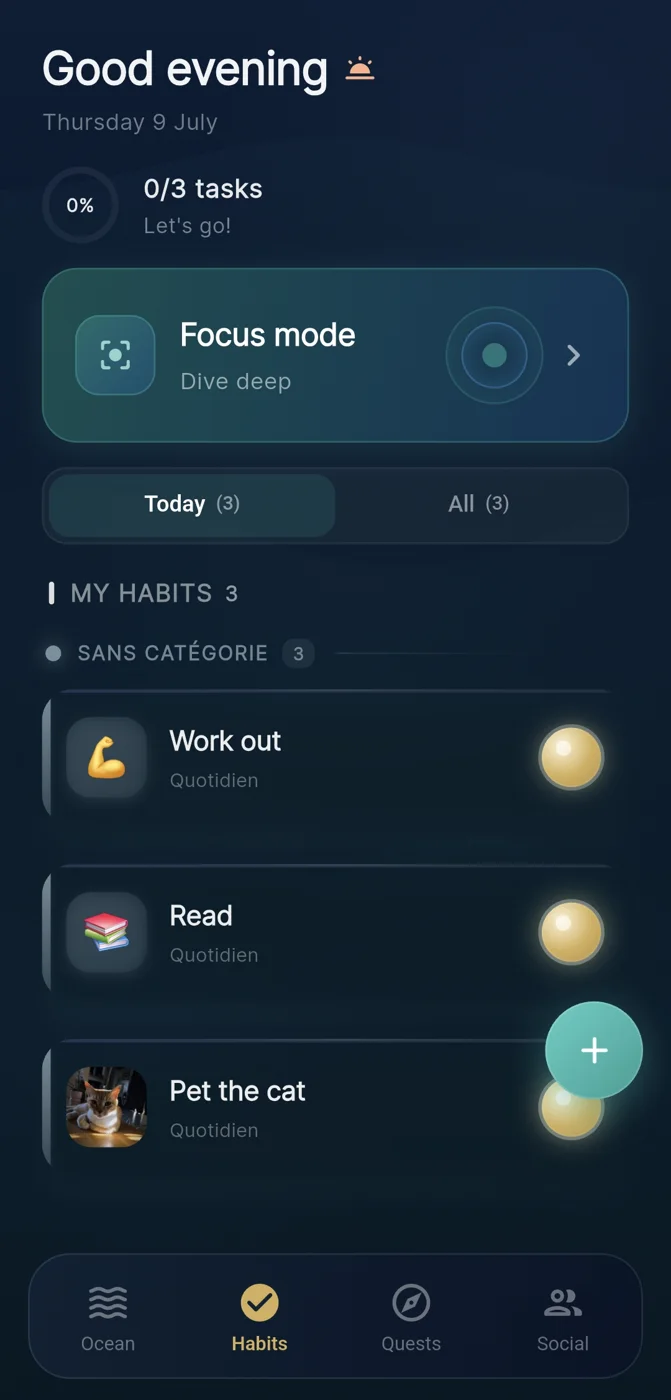
Reef is an IVRYN mobile habit tracker for iOS and Android. In Reef, completing a habit releases a pearl that contributes to a visual living ocean. That product context makes Reef relevant for people who want repeated actions to become visible, while keeping the claim boundary clear: a visual response can support reflection and consistency, but it does not guarantee behaviour or health outcomes.
- Check that the visual world reflects a completed action rather than an unexplained score.
- Prefer progress feedback you can understand at a glance.
- Treat the world as a prompt for your next choice, not proof of personal worth.
Start with small repeatable habits, not an ideal routine
The best setup is usually smaller than the routine you imagine at the start. Choose actions that are specific enough to complete and modest enough to repeat: take a short walk, prepare tomorrow’s clothes, read a few pages, or spend a defined period on one task.
A virtual world can be especially helpful here because it gives small completions a visible place to land. Rather than waiting for a dramatic transformation, you can notice a chain of ordinary actions accumulating over time. That is more useful when the app lets you define habits in language that fits your actual life.
Before choosing an app, ask whether it makes it easy to keep the first version of a habit small. If every goal is framed as a major streak or a demanding daily target, the visual reward may increase pressure instead of helping you repeat an action.
- Write each habit as an observable action.
- Choose a frequency you can realistically revisit.
- Keep the first commitment small enough to resume after a busy week.
Assess visible progress without turning it into pressure
Visual progress works best when it helps you see continuity, not when it turns every missed day into a verdict. A living-world habit tracker can make the accumulated effect of completed actions tangible, but the design should leave room for uneven schedules, changing priorities, and imperfect weeks.
Ask how the app represents missed days. Does it encourage a simple return to the next available action, or does it make a lapse feel like a collapse? Gentle recovery matters because habits are repeated choices over time, not a test that is permanently failed by one interruption.
Reef’s published methodology describes a recorded-action model, visual feedback, user choice, and boundaries around product claims. That framing is useful when evaluating any visual habit app: distinguish what the app records and displays from claims about what it will cause in a person’s life.
- Look for feedback that preserves context after missed days.
- Avoid treating streaks as the only meaningful form of progress.
- Choose a system that lets you restart with the next action.
Use focus features to protect a defined block of time
Some habit apps also include focused-work support. When considering this feature, check whether the metaphor and reward reinforce a clear intention: choose a task, protect a block of time, and finish or stop deliberately.
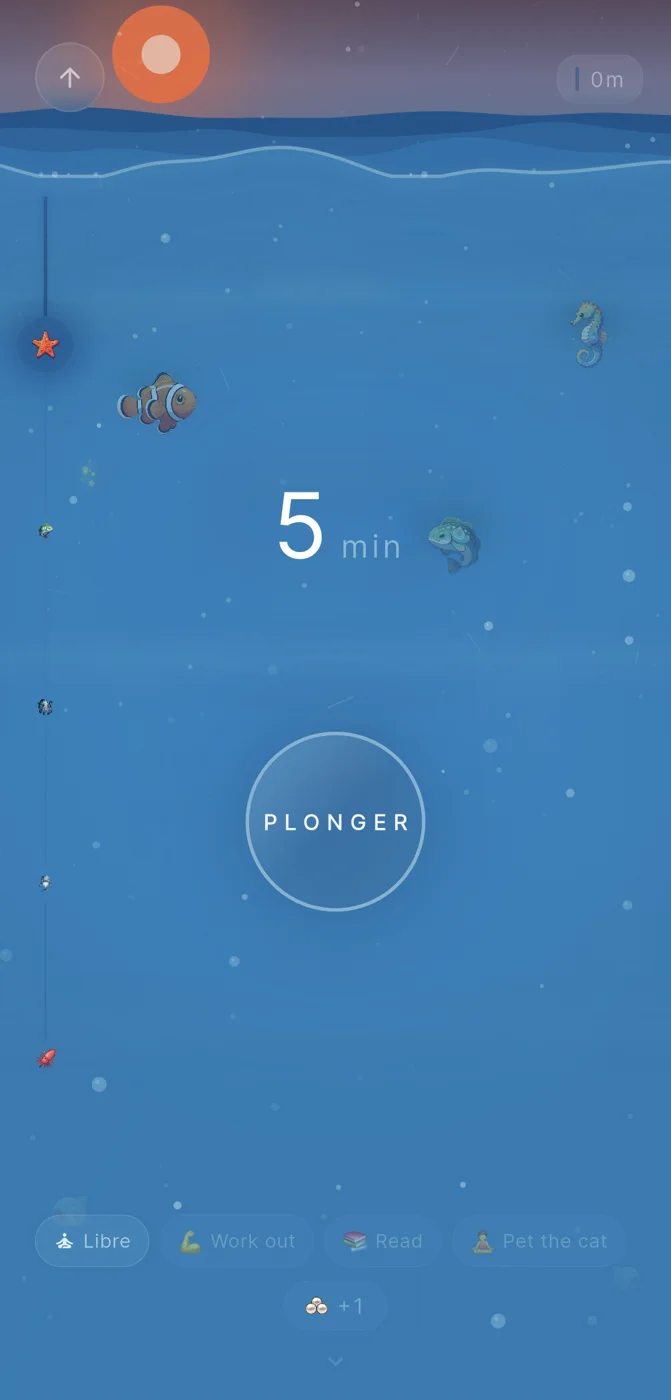
Reef uses a dive metaphor for focus sessions and rewards completed focus time with pearls. For someone who likes the ocean theme, that can connect focused work with the same visual world as habit completion. The practical value is not the metaphor alone; it is whether it helps you create a boundary around a task you have already chosen.
A focus feature should not imply that longer sessions are always better. A short, realistic session can be the right choice. Look for a tool that lets you set a duration that matches the task and then return to your day without treating every interruption as a failure.
- Define the task before beginning a session.
- Set a duration that fits the task, not an imagined perfect day.
- Use the completed session as a record of time protected, not a guarantee of output.
Habit tracker with virtual world: evaluate social accountability carefully
Social features can add encouragement and visibility, but they are not necessary for every routine. The central question is whether you can choose the level of connection that feels supportive: private tracking, limited sharing, or a small group with a shared purpose.
Reef offers optional social crews. Optionality matters because accountability has different effects for different people and different habits. Someone may want company around a creative practice while keeping a health-related routine private. A useful app should leave that decision with the user.
Check what you would be sharing, with whom, and how easy it is to step back. Social accountability is a structure for voluntary mutual awareness; it is not a promise that others will motivate you, respond in a particular way, or produce a specific result.
- Decide which habits, if any, you want to share.
- Start with the smallest comfortable group.
- Review privacy and participation choices before relying on a crew.
Example decision aid: choosing a visual habit app
Example: imagine someone who wants to read regularly, protect two weekly writing sessions, and occasionally share progress with two friends. They are deciding whether a virtual-world habit tracker fits their needs. Their goal is not to find an app that guarantees a new identity; it is to find one that makes chosen actions visible and easier to revisit.
They could evaluate the app against four questions. First, can they create a small reading habit such as “read for ten minutes”? Second, does each completion produce understandable visible progress? Third, can a missed day be followed by a calm return rather than a punitive reset? Fourth, can social sharing remain optional and limited to the writing routine?
For Reef specifically, the available public product context supports checking whether its pearl-based living ocean, dive-themed focus sessions, and optional crews fit those preferences. It does not establish that the app will create a particular behaviour, productivity, or health outcome. The right choice is the one whose mechanics fit the person’s chosen actions and boundaries.
- Small repeatable habits: Can I begin with an action I can do this week?
- Visible progress: Does the visual world clearly reflect my recorded completion?
- Gentle recovery: Can I resume after missed days without unnecessary pressure?
- Optional social accountability: Can I choose whether and what to share?
Frequently asked questions
What is a habit tracker with a virtual world?
A habit tracker with a virtual world links recorded habit completions to changes in a visual environment, such as a growing landscape or ocean. The visual feedback can make progress easier to notice, but it does not guarantee behaviour change.
How does Reef use a virtual world for habits and focus?
Reef is an IVRYN habit tracker for iOS and Android where completing a habit releases a pearl that contributes to a visual living ocean. Its focus sessions use a dive metaphor and reward completed focus time with pearls; social crews are optional.
Should I use social accountability in a habit app?
Use social accountability only if voluntary sharing feels supportive for the habit you are working on. Choose what to share, who can see it, and whether you can easily return to private tracking; social features cannot guarantee a particular outcome.
Sources and further reading
These resources provide the wider reference frame. Product statements on this page are limited to the public information provided by Reef.