 Reef
Reef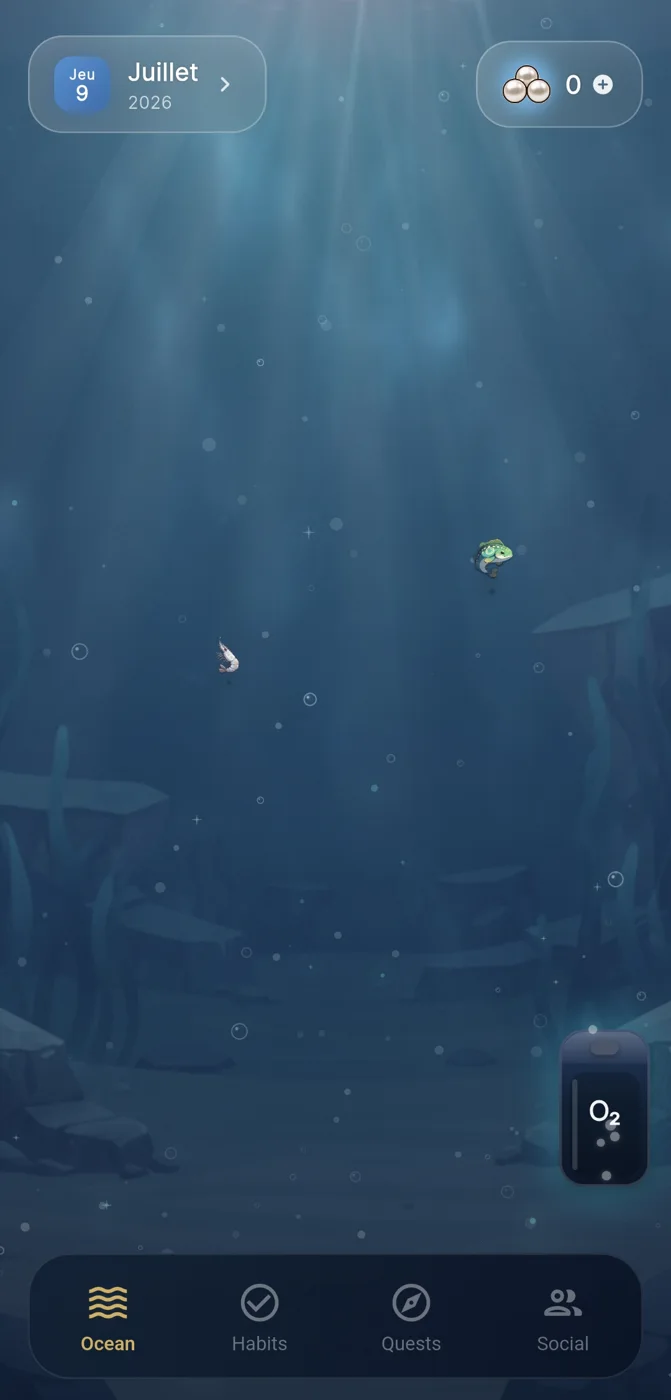
What 'best habit app ios' actually needs to answer
Searching for the best habit app iOS has to offer usually means someone has already tried a spreadsheet, a paper checklist, or a reminders app, and it stopped working after a week or two. The real question underneath the search isn't which app has the most features, it's which app makes it easier to keep showing up on ordinary days, not just motivated ones.
That reframes the decision. Instead of comparing feature lists, it helps to compare how each app treats three moments: the moment you complete a habit, the moment you miss one, and the moment you want to see whether anything is actually changing over time. An app that gets those three moments right is doing more useful work than one that simply has more customization options.
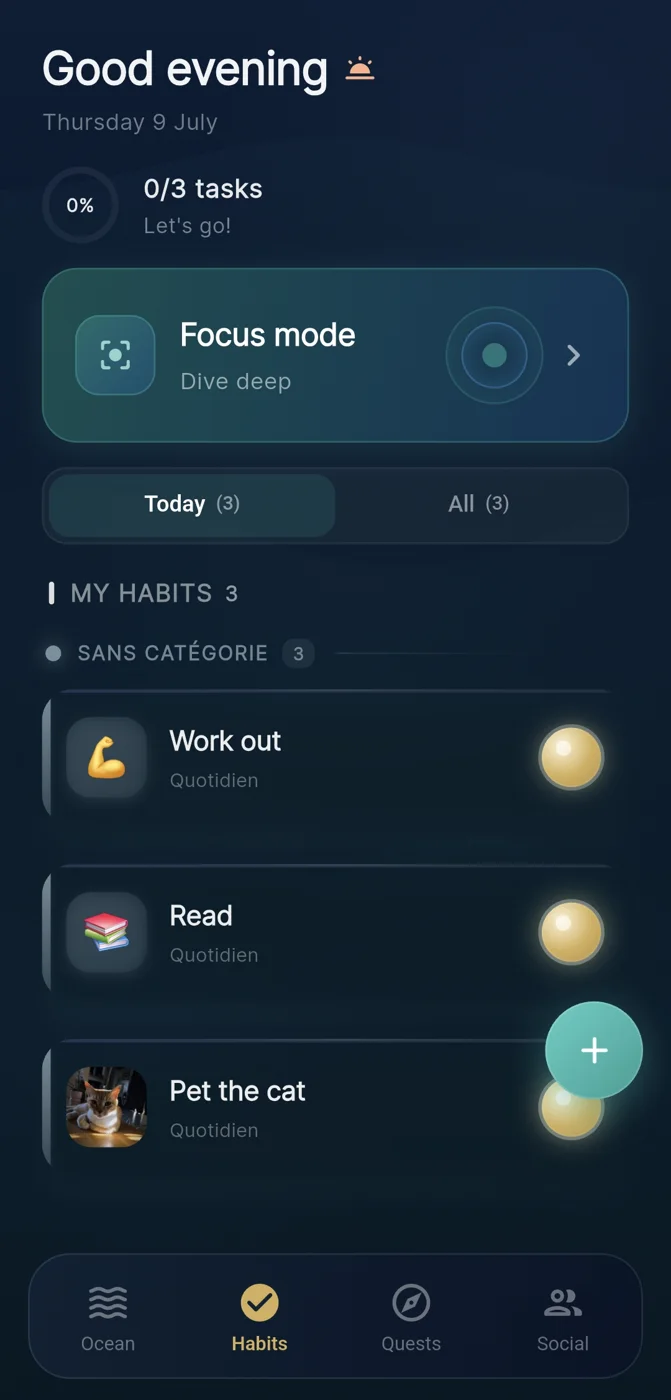
Reef, an IVRYN habit tracker for iOS and Android, is one example built around that idea. Completing a habit releases a pearl that adds to a visual living ocean, so progress accumulates as something you can see rather than just a streak number. That's a design choice worth naming plainly, not a claim that it outperforms any other app.
Small repeatable habits over ambitious ones
The first principle worth applying when choosing or using any habit app is scale. A habit that takes two minutes and can be done almost anywhere survives bad weeks better than one that requires a specific mood, location, or block of free time. This isn't specific to any app; it's a constraint on human attention and energy that any tracking tool has to work within.
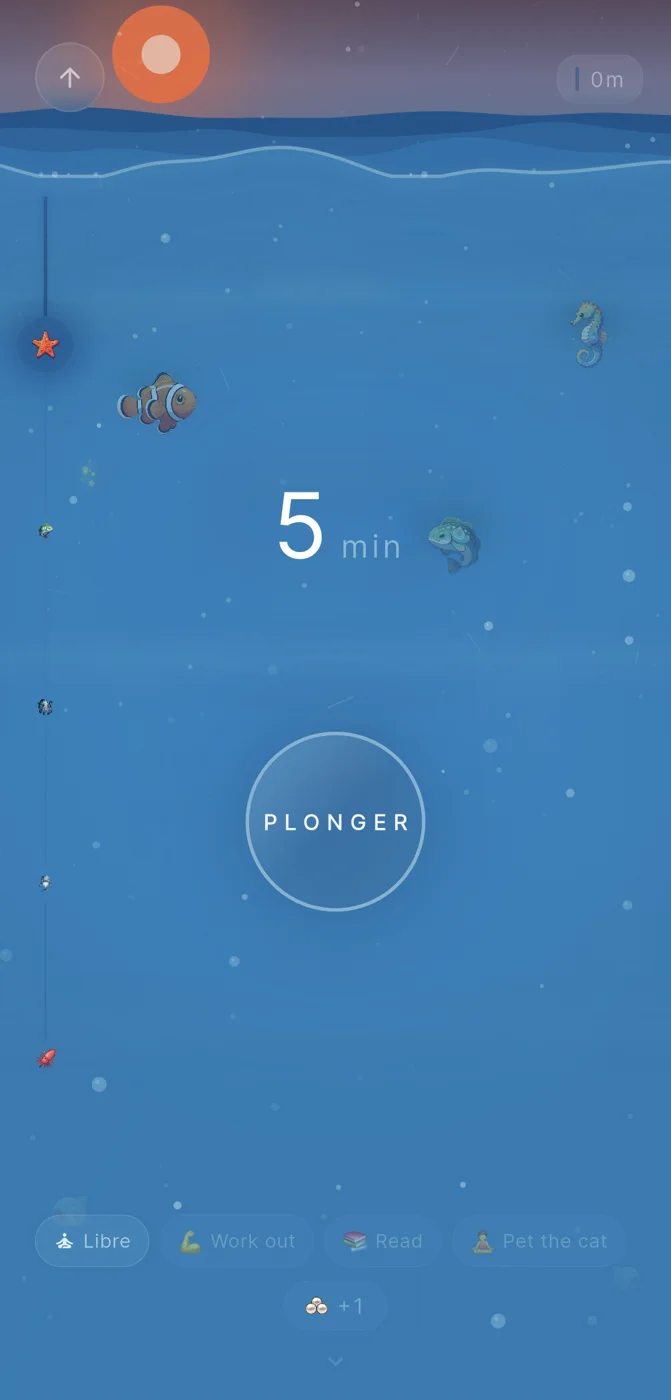
When evaluating an app, it's worth checking whether it nudges you toward small entries by default, or whether it implicitly rewards ambition (long timers, big point values, elaborate setup) in a way that sets up an early mismatch between intention and follow-through. Reef's focus sessions, for example, use a dive metaphor and reward completed focus time with pearls, which keeps the reward tied to time actually spent rather than to an abstract goal being 'achieved' in full.
- Prefer habits you could complete in under five minutes on a bad day
- Check whether the app rewards partial or short sessions, not just full completions
- Avoid setting up more than two or three habits at once when starting
Making progress visible without over-promising
Visible progress is the second principle, and it's where habit apps differ the most in practice. Some use pure numeric streaks, some use calendars, some use a growing visual metaphor. The value of visibility isn't decoration, it's that seeing accumulated effort gives you a reason to keep going that doesn't depend on remembering how you felt three weeks ago.
It's worth being clear about what visibility can and can't do. A living ocean, a streak count, or a garden that grows are all ways of representing effort, not evidence that a particular habit is becoming automatic or that a health outcome has been reached. No habit app, including Reef, guarantees a behaviour or health outcome, and any app claiming otherwise should be treated with some skepticism.
The practical test when comparing apps is whether the visual system stays legible over months, not just in the first week when everything looks satisfying. If progress becomes cluttered or unclear once you have dozens of entries, the visibility principle stops doing its job.
Gentle recovery after missed days
The third principle, gentle recovery, is arguably the one most habit apps get wrong. A design that punishes a missed day by resetting a streak to zero can make the app itself a source of dread rather than support, which is counterproductive if the goal is repeated action over months.
When you're deciding between apps, look specifically at what happens in the interface after a missed day. Does it frame the gap as a failure, or does it simply pick back up where you left off? Gentle recovery doesn't mean missed days are erased or ignored, it means the app doesn't create an additional cost, in the form of shame or lost progress, on top of the missed day itself.
A worked example: choosing between three habit apps
Here is a hypothetical, illustrative only, to show how these principles apply in practice. Imagine three iOS habit apps: App A resets a visible streak counter to zero after any missed day and has no focus-timer feature. App B offers detailed analytics but requires a lengthy setup process before the first habit can be logged. App C tracks completions as small visual additions to a scene that persists even after a missed day, and separately rewards timed focus sessions.
Someone choosing based on the principles above would likely rule out App A first, since a hard reset works against gentle recovery. App B might still be useful for someone who wants deep analytics and is willing to invest setup time, but it doesn't obviously serve someone looking for a low-friction entry point. App C's persistent visual metaphor and separate focus reward map most directly onto the small-habits and visible-progress principles.
This example is not a ranking of real products and isn't based on any first-party testing; it's meant only to show how to apply the four principles, small repeatable habits, visible progress, gentle recovery, and optional accountability, when the choice in front of you is genuinely unclear.
Where social accountability fits, and where it shouldn't be required
Optional social accountability, the fourth principle, can help some people and actively discourage others. Sharing progress with a small group, sometimes called a crew in apps that build this in, can add a light sense of obligation that keeps a habit going during a low-motivation stretch. Reef includes optional social crews for this reason, without making them a requirement to use the rest of the app.
For anyone evaluating an app on this dimension, the key question is whether social features are opt-in and low-pressure, or whether they surface public comparisons and leaderboards that can turn a personal habit into a performance. If you know you don't want an audience for your habits, look for an app that makes sharing a deliberate choice rather than a default.
A short decision checklist
Bringing the principles together into something usable: before settling on any habit app, including Reef, it's reasonable to check a short list of questions against your own situation rather than against marketing claims.
- Can I log a habit in under 15 seconds most days?
- Does the app show accumulated progress in a way I'll still find clear after two months?
- What actually happens in the app after I miss a day, and does that feel workable for me?
- Is any social or sharing feature optional, and can I ignore it entirely if I want to?
- Am I choosing this app because of how it treats these mechanics, not because of an unverifiable outcome claim?
Frequently asked questions
Is there one single best habit app for iOS that works for everyone?
No single app fits everyone, because habit formation depends heavily on personal preferences around visuals, reminders, and accountability. It's more useful to judge any candidate app against principles like small repeatable habits, visible progress, gentle recovery after missed days, and optional social accountability than to look for a universal winner.
Can a habit app guarantee that a habit will stick?
No habit app can guarantee that a habit will become permanent or that it will produce a specific health or behaviour outcome. Apps can make small actions easier to repeat and progress easier to see, but sticking with a habit ultimately depends on the person's own circumstances and choices, not the software alone.
Should I avoid habit apps that use streaks or visual rewards?
Not necessarily; visual rewards and progress indicators can be genuinely helpful for staying motivated. The important distinction is how the app handles a missed day: a design that resets progress harshly can add discouragement on top of the miss, while one that allows gentle recovery tends to support longer-term consistency better.
Sources and further reading
These resources provide the wider reference frame. Product statements on this page are limited to the public information provided by Reef.