 Reef
Reef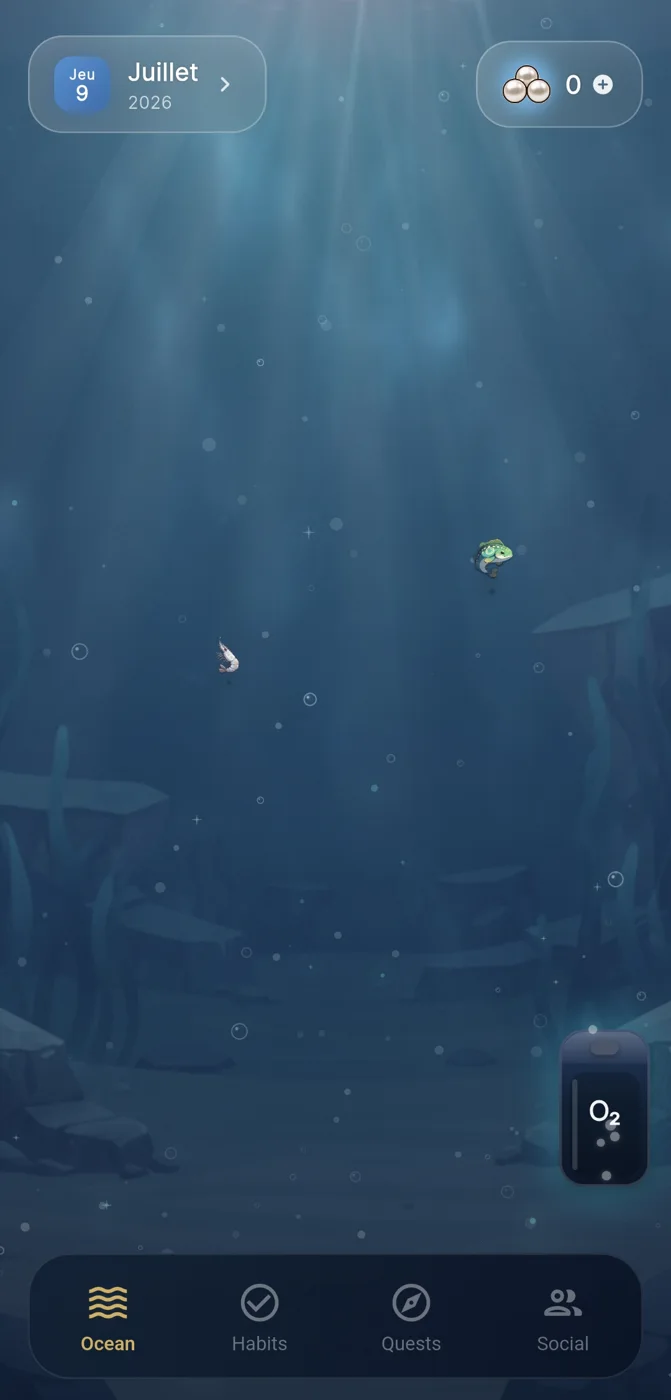
Start with the question: habit tracker app how to use for real life, not a perfect week
Most people download a habit tracker app hoping it will fix motivation on its own. It won't, and treating it that way sets up disappointment within the first missed day. The more useful question is narrower: how do you use the app so that a normal, imperfect week still counts as progress? That means picking habits small enough to survive a bad day, checking in often enough that the app reflects reality, and building in a plan for the days you don't show up.
The answer also depends on what you're tracking. A habit tracker works differently for a five-minute stretching routine than for a two-hour deep-work block. Treating every entry the same way, as a single checkbox, tends to hide useful detail about why a habit slipped.
- Pick habits you could still do on a tired, busy day
- Decide upfront how you'll log partial or late completions
- Separate short habits from longer focus blocks in how you review them
Setting up habits so tracking stays honest
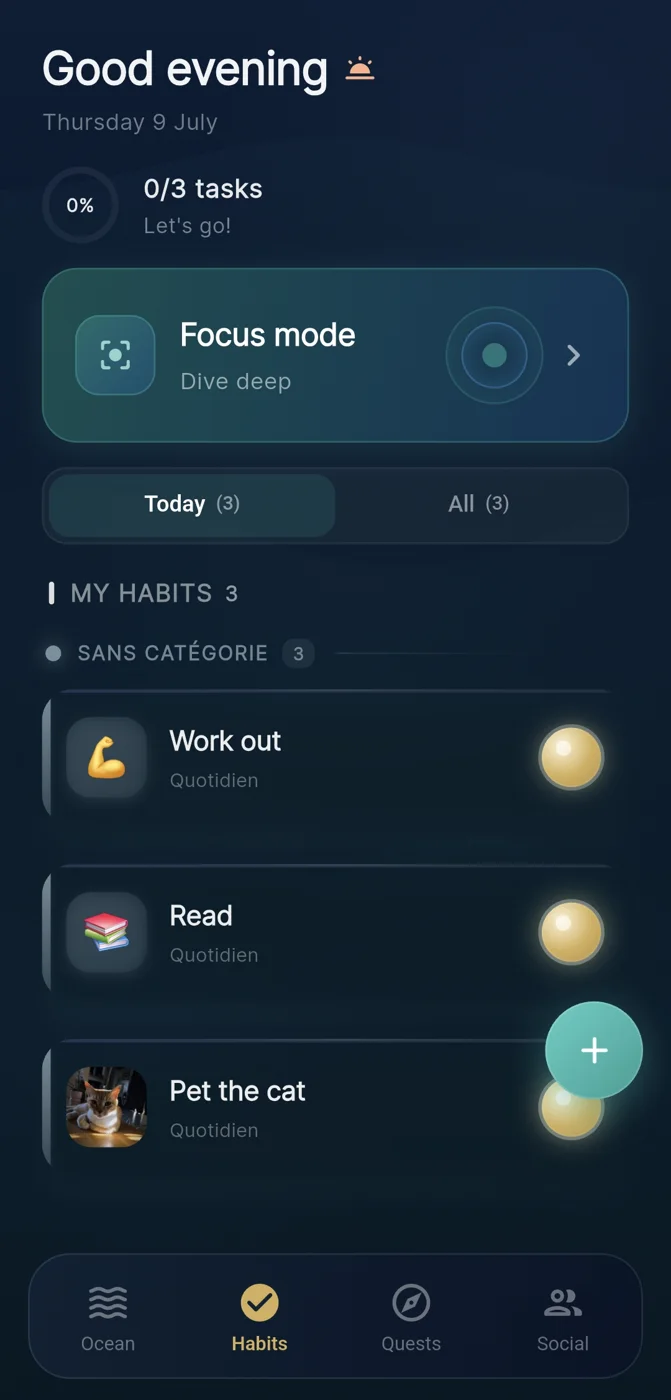
The setup stage is where most tracking habits succeed or fail. If a habit is defined too vaguely, like 'exercise more,' there's no clear moment to mark it done, and the app becomes a source of guilt rather than information. Defining habits with a specific action and frequency, such as 'ten minutes of stretching, four days a week,' gives you something concrete to check off and something concrete to adjust if it's not working.
It also helps to separate aspiration from commitment during setup. You might aspire to a daily habit but only commit to four days a week at first. Logging against the smaller, honest target keeps the visual record accurate, which matters more than it sounds, because a tracker full of inflated or dishonest entries stops telling you anything useful about your own patterns.
- Write habits as a specific action plus a specific frequency
- Set the initial target slightly below what feels ambitious
- Review and adjust the target after two or three weeks, not after one missed day
Making progress visible without turning it into a scoreboard
A core reason people use a habit tracker app at all is to see progress instead of just feeling vague guilt about a habit they meant to keep. Reef, an IVRYN mobile habit tracker for iOS and Android, builds this around a simple mechanic: each time you complete a habit, it adds a pearl to a visual living ocean that grows over time. The point of that kind of visual is not to gamify life into a competition, but to give you an at-a-glance sense of consistency that a plain list of checkmarks doesn't provide as well.
Used this way, visible progress is a feedback tool rather than a reward system you chase for its own sake. If you notice the ocean, or whatever visual metaphor your app uses, growing unevenly, that's useful information about which habits are sticking and which need to be redefined or dropped. The visual is a mirror, not a verdict.
- Check the visual summary weekly, not multiple times a day
- Use uneven growth as a prompt to adjust a habit's difficulty or timing
- Avoid treating the visual as a competition with yourself or others
Using focus sessions inside a habit tracker app
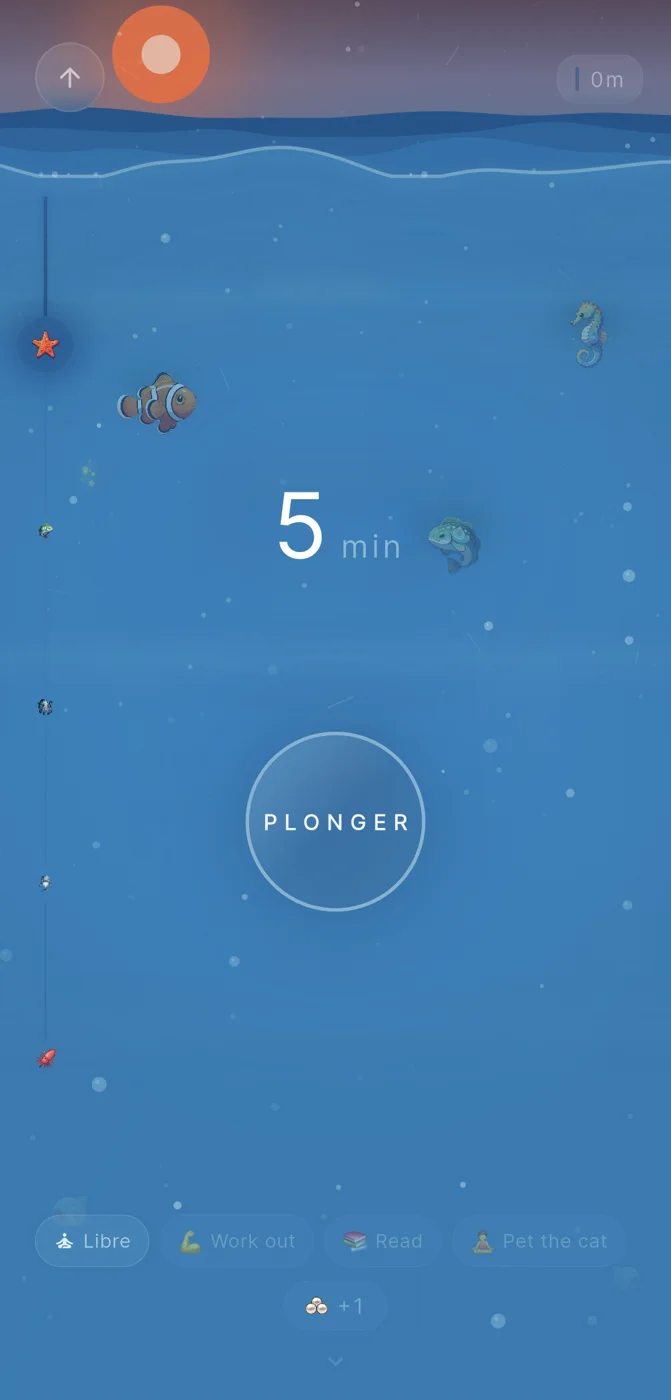
Focus tracking is a related but distinct use case from daily habits, and it's worth treating it separately in how you use the app. Reef frames focus time with a dive metaphor, where a completed focus session earns pearls in the same way a habit completion does, connecting concentrated work time to the same visual progress system rather than a separate leaderboard or timer app.
In practice, this works best when you set a focus session length you can actually sustain, rather than an ambitious block you'll abandon halfway through. A tracker rewards completed sessions, not attempted ones, so setting realistic session lengths, twenty or thirty minutes to start, protects both your actual focus time and the accuracy of what the app shows you.
- Start focus sessions shorter than you think you need
- Log a session only when it's genuinely finished
- Increase session length gradually once shorter ones feel easy
What to do after a missed day: gentle recovery over restarting from zero
How a habit tracker app handles a missed day says a lot about whether it will help you long-term. Apps built around strict, unforgiving streaks can make a single missed day feel like total failure, which is precisely when people abandon the app altogether. A gentler approach treats a missed day as data, not a reset button: you log the gap honestly, note anything unusual about that day if it's relevant, and pick the habit back up the next day without recalculating from scratch.
This is a deliberate design principle behind tools like Reef rather than an accident of leniency. If a missed day always meant losing all visible progress, the incentive would be to hide missed days or quit tracking entirely rather than to keep an honest record. Gentle recovery keeps the tracker useful precisely on the days it matters most, which are the days after things went wrong.
- Log missed days honestly instead of skipping the entry
- Resume the next day without trying to make up for lost time
- Watch for patterns across several missed days rather than judging any single one
Using social accountability without depending on it
Some habit tracker apps include social or group features, and Reef offers optional social crews for people who want that kind of accountability. The key word is optional: sharing progress with others can help some people stay consistent, but it does not guarantee a behaviour or health outcome, and it isn't a requirement for the tracker to be useful. If you don't want an audience for your habits, tracking privately works just as well as a record-keeping tool.
If you do use a social feature, it's worth being deliberate about why. Accountability partners help most when they're a light check-in, not a source of pressure that makes you dread opening the app. If a shared crew starts feeling like scorekeeping against other people rather than support for your own habits, it's reasonable to step back from that feature without abandoning the tracker itself.
- Try tracking privately first if you're unsure about sharing progress
- Use social crews for light check-ins, not competitive comparison
- Step back from social features if they add pressure instead of support
A worked example: setting up a first week with a habit tracker app
Example only, not a guaranteed outcome: imagine someone wants to build a reading habit and improve focus at work. In week one, they set two habits in the app: 'read for ten minutes' on five days, and a 25-minute focus session for work, three days a week. They skip social crews for now, since they're not sure they want to share progress yet.
By day four, they miss the reading habit after a late night but log it honestly rather than skipping the entry. They resume reading the next day rather than trying to do twenty minutes to compensate. By the end of the week, the visual summary shows four of five reading days and three of three focus sessions completed. That imperfect but honest pattern is exactly what the tracker is designed to reflect, and it gives them a reasonable basis for deciding whether to raise the reading target the following week.
- Set two or three habits maximum in the first week
- Log misses honestly rather than skipping the entry
- Review the week's pattern before changing any target
Frequently asked questions
Do I need to use every feature in a habit tracker app to benefit from it?
No. Most habit tracker apps, including features like optional social crews in Reef, are designed to be used selectively. Tracking just one or two habits consistently, without touching focus sessions or social features, is a legitimate and often better way to start.
What should I do if I miss several days in a row on a habit tracker app?
Log the gap honestly rather than skipping entries or restarting the habit from scratch, and look for a pattern in why the days were missed, such as timing or difficulty, before adjusting the habit's frequency or target. A tracker works best as an honest record, not a perfect streak.
Can a habit tracker app guarantee I'll build a new habit?
No app can guarantee a behaviour or health outcome, and no habit tracker, including Reef, claims to. These tools make repeated actions visible and can support consistency, but building a lasting habit still depends on the person's own effort and circumstances.
Sources and further reading
These resources provide the wider reference frame. Product statements on this page are limited to the public information provided by Reef.