 Reef
Reef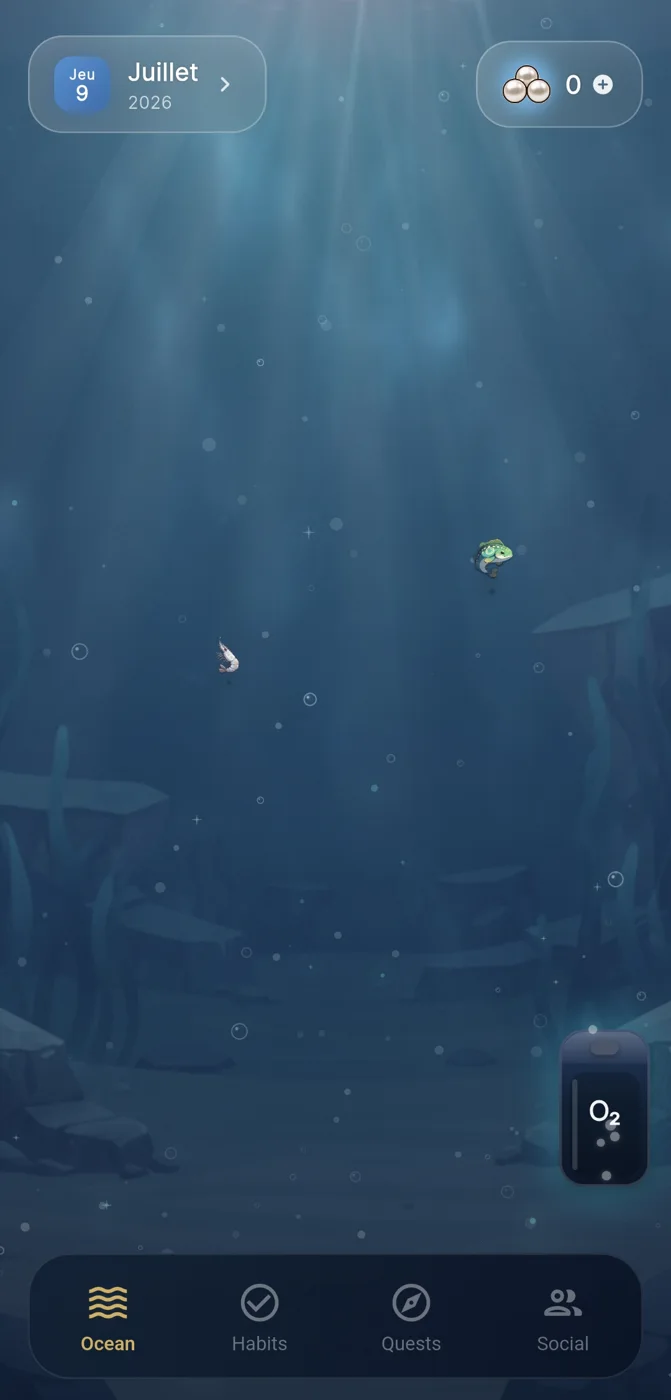
What people actually mean by a daily life quotes app
When someone searches for a daily life quotes app, they're usually after one of two things: a lightweight source of daily inspiration to open alongside their morning coffee, or a nudge that helps them actually do something differently that day. Those are related goals but not the same product. A pure quotes app delivers a rotating line of text, sometimes with a nice background image, and that's the whole feature set. It's designed to be read, felt, and closed.
The more useful question for most people is whether a quote alone changes behaviour, or whether it needs to be paired with something that tracks what you actually did. A quote can prompt a moment of reflection, but it doesn't remember whether you meditated yesterday, drank enough water, or sat down to write. If your goal is a nicer inbox of words, a quotes app on its own does that well. If your goal is building a habit, you likely need a layer that records action, not just sentiment.
Where quotes help, and where they stop helping
Quotes work best as a mood-setter, not a mechanism. A well-timed line can lower the friction of starting a task by reframing it, especially first thing in the morning or right before a session you've been avoiding. That's a real, modest effect, and it costs nothing to test for yourself over a couple of weeks.
Where quotes stop helping is in the follow-through. There's no feedback loop: nothing in a quotes app tells you that you've skipped a habit three days running, or that your streak reset, or that a friend also showed up today. Behaviour change research consistently points to visible progress and small repeatable actions as more reliable levers than inspiration alone. A quote can open the door; it can't walk you through it or notice if you didn't.
Building the habit layer: what actually needs tracking
If a daily life quotes app is really step one of a habit goal, the next step is deciding what to track and how much friction you're willing to accept. Small repeatable habits work best when the action itself is nearly trivial to log - a tap, not a form. Overly detailed tracking (duration, mood, notes) tends to get abandoned within a couple of weeks because logging becomes its own chore.
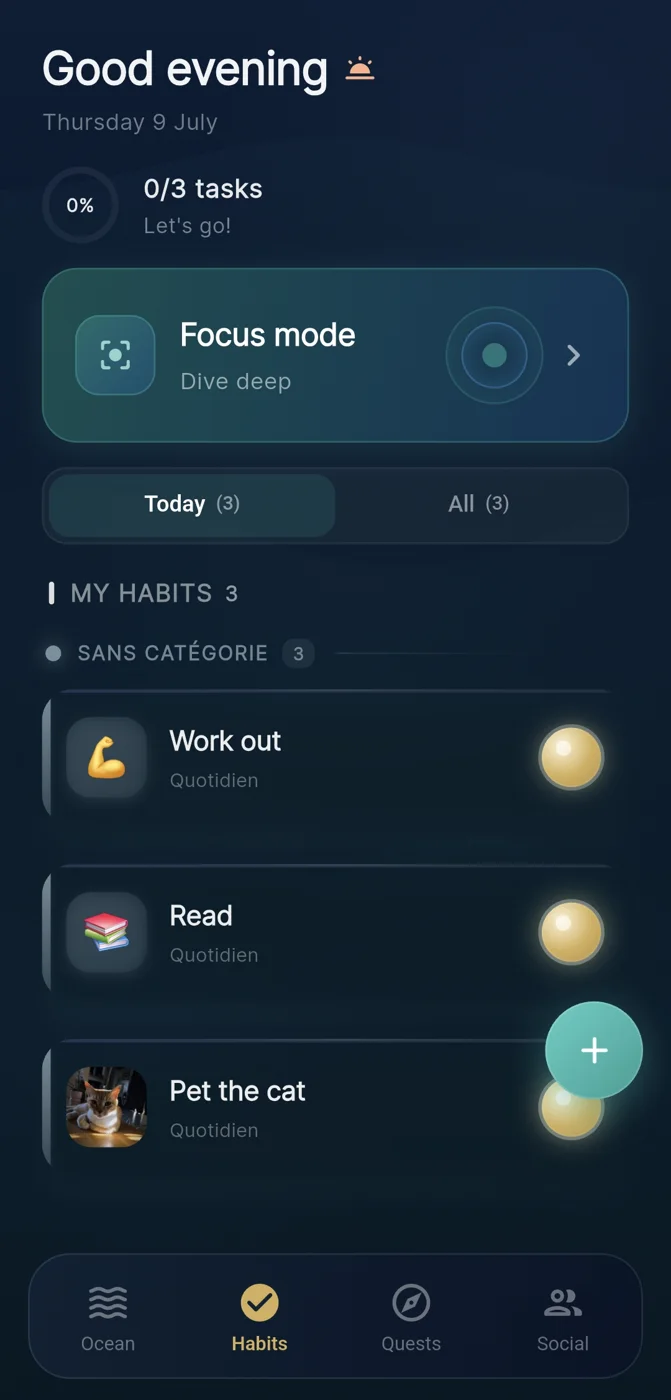
Visible progress matters more than most people expect. Seeing a streak, a growing visual, or some cumulative marker gives you a reason to keep the chain going even on days when motivation is low. This is where habit trackers diverge from quote apps: the tracker's value comes from accumulation over time, not from any single day's content.
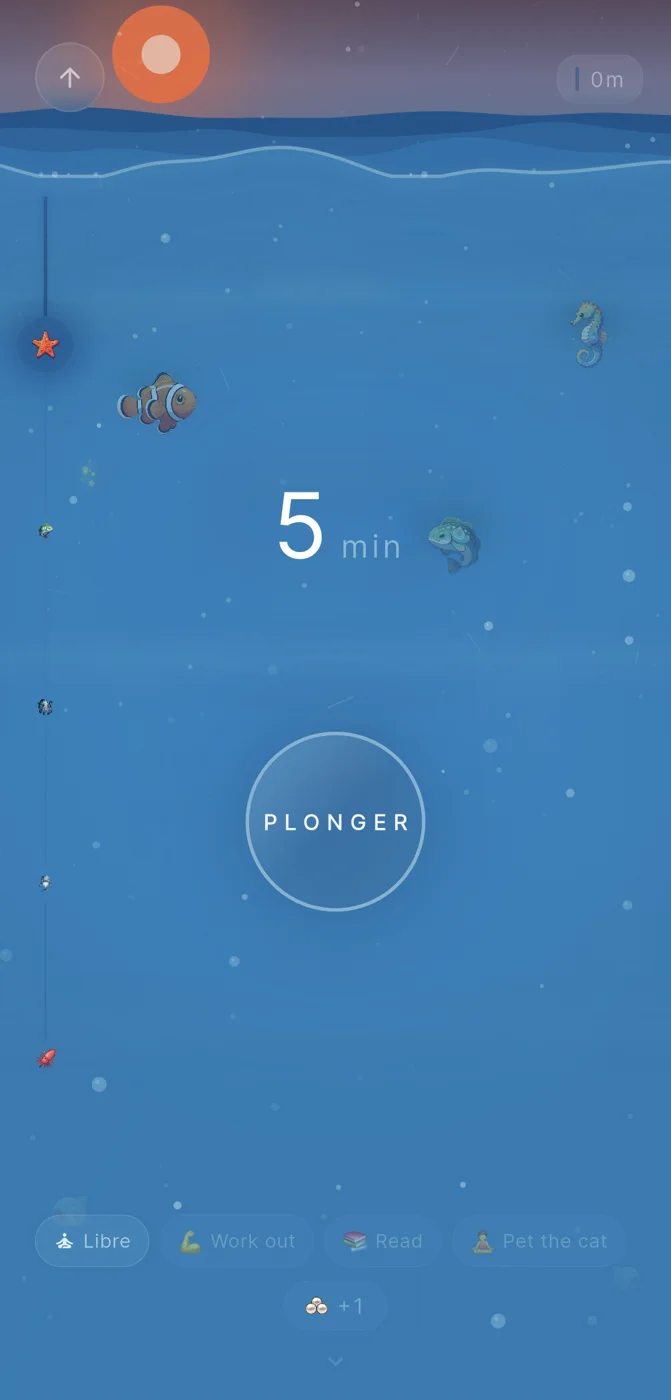
Reef, an IVRYN mobile habit tracker for iOS and Android, is built around this idea - each completed habit releases a pearl that adds to a visual living ocean, so progress accumulates as something you can see rather than just remember. It doesn't include a quotes feed and isn't positioned as a source of daily inspiration; it's aimed specifically at the tracking and follow-through side of the equation, which is a different job than a quotes app does.
A worked example: combining inspiration with tracking
Here's a hypothetical to make this concrete. Suppose someone wants to build a ten-minute daily reading habit and also enjoys starting the day with a motivational quote. In week one, they open a quotes app each morning, read the line, and intend to read their book later - but by day four, nothing has actually reminded them, and the habit hasn't been logged anywhere. The quote was pleasant but left no trace.
In a revised version of the same week, they instead pair the quote-reading moment with a habit entry: right after reading the quote, they open a habit tracker and mark yesterday's reading complete (or honestly mark it missed) before starting today's ten minutes. The quote sets a brief tone; the tracker captures whether the action happened. By the end of two weeks, they have a visible record - a streak, a graph, a pearl count, whatever the tool shows - that the quote alone never would have produced.
This example isn't a promise of a particular outcome; it's simply illustrating why pairing a reflective input with a trackable action tends to produce more useful feedback than either alone. Whether it works for any individual depends on the habit, the person and how consistently they engage with the tracking side.
Gentle recovery after a missed day
One thing a daily life quotes app genuinely can help with is tone on a bad day - a well-chosen line about starting over can soften the guilt of a broken streak. But the actual mechanics of recovery need to live in whatever is tracking the habit. A missed day shouldn't erase weeks of progress or make restarting feel like starting from zero; tools built around gentle recovery tend to treat a lapse as a single missed entry rather than a failure of the whole effort.
This matters because harsh streak resets are one of the more common reasons people abandon habit tools altogether. If you're evaluating any app in this space - quotes-focused or tracking-focused - it's worth checking how it treats a missed day before you commit to using it daily.
A short checklist before choosing an app
If you're deciding between a pure quotes app, a habit tracker, or something that blends both, it helps to be explicit about what you actually need. The following checklist is a general decision aid, not specific to any one product.
- Do you want inspiration only, or do you need a record of what you did each day?
- Is the logging action fast enough that you'd actually do it daily (one tap or less)?
- Does the app show visible, cumulative progress, or does each day disappear once viewed?
- Does a missed day reset everything, or does it allow gentle recovery?
- If social accountability is offered, is it optional rather than required?
- Are you comfortable that no app can guarantee the habit sticks - the tool only supports the attempt?
Where optional social accountability fits in
Some habit tools, including Reef, offer optional social crews so people can share progress with others if they choose. This can add a mild extra layer of accountability for people who respond well to being seen, but it's explicitly optional and doesn't guarantee that habits stick or that outcomes improve - it's a feature people can opt into, not a mechanism the product claims will change behaviour on its own.
For someone whose starting point was a daily life quotes app, social accountability is a separate decision from the inspiration-versus-tracking question above. It's worth trying only if the idea of visible peers genuinely appeals to you, not as a default assumption that more social features equal better results.
Frequently asked questions
Is a daily life quotes app enough to build a new habit on its own?
Usually not by itself. A quotes app can set a helpful tone or prompt reflection, but it doesn't record whether you actually performed the habit, so most people pair it with some form of tracking if the goal is consistent behaviour change rather than daily reading enjoyment.
What should I look for if I want tracking, not just quotes?
Look for fast, low-friction logging (ideally one tap), visible cumulative progress such as a streak or graph, and a gentle approach to missed days so one lapse doesn't erase your record. Whether social features are included and optional is also worth checking if accountability matters to you.
Does using a habit or quotes app guarantee I'll stick to a new routine?
No app can guarantee a behaviour outcome. These tools are designed to support small repeatable actions and make progress visible, but whether a habit sticks depends on the individual, the habit itself, and how consistently the tool is used.
Sources and further reading
These resources provide the wider reference frame. Product statements on this page are limited to the public information provided by Reef.